In recent years, many brands have considered forming partnerships with Formula One teams and events to boost their visibility and brand image. However, the question remains: is such a partnership truly worth the investment?
Formula One, known for its high-speed races and global audience, offers a unique platform for marketing and brand exposure. Companies often see F1 sponsorships as a way to reach affluent, engaged consumers across multiple markets. But the costs associated with these partnerships can be substantial, prompting businesses to carefully evaluate their potential return on investment.
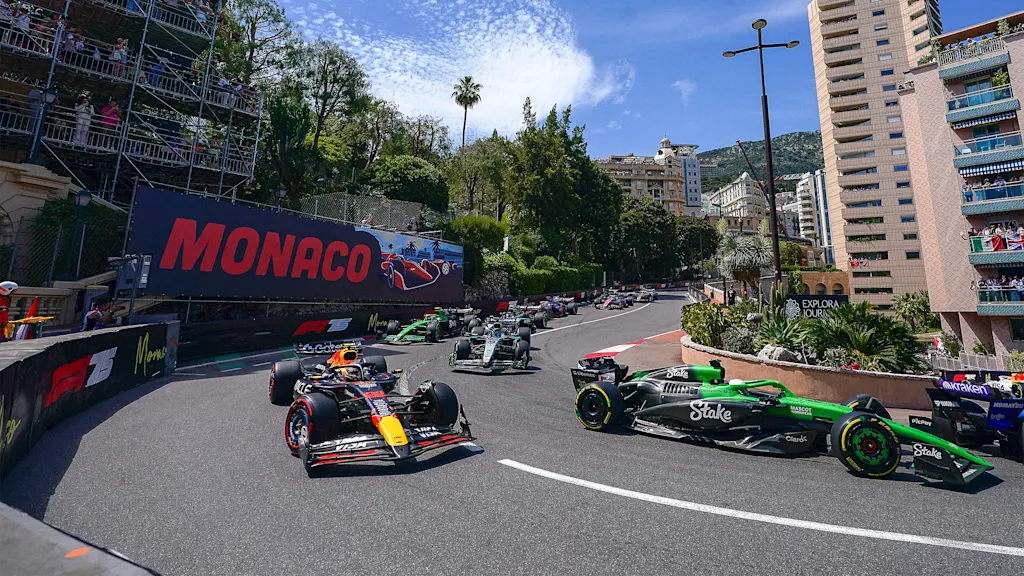
One of the primary benefits of an F1 partnership is brand visibility. With races held in key markets like Europe, Asia, and North America, brands can showcase their logos on cars, drivers' uniforms, and trackside advertising. This exposure can translate into increased brand recognition and sales, especially when combined with digital and social media campaigns that leverage F1's global reach.
Moreover, F1 partnerships often include hospitality and experiential marketing opportunities. Companies can host clients and partners at races, providing exclusive access to the sport's glamorous and high-profile environment. Such experiences can strengthen relationships and enhance brand loyalty.
However, the costs are significant. Sponsorship deals can run into hundreds of millions of dollars, and the actual impact on sales is not always guaranteed. Critics argue that the return on investment may be overstated, especially if the partnership is not strategically aligned with the company's broader marketing goals.
Additionally, the effectiveness of F1 sponsorships depends on how well the brand integrates with the sport. Successful partnerships often involve activating the sponsorship through targeted campaigns, merchandise, and digital content that engage fans and consumers beyond mere logo placement.
Some companies have reported positive outcomes, citing increased brand awareness and engagement metrics. Others, however, have expressed skepticism, emphasizing the need for clear measurement and accountability in evaluating the partnership's success.
In conclusion, whether a Formula One partnership is worth it depends on a company's specific objectives, budget, and ability to activate the sponsorship effectively. While the sport offers unparalleled exposure and marketing opportunities, it requires careful planning and strategic execution to ensure that the investment delivers tangible results.